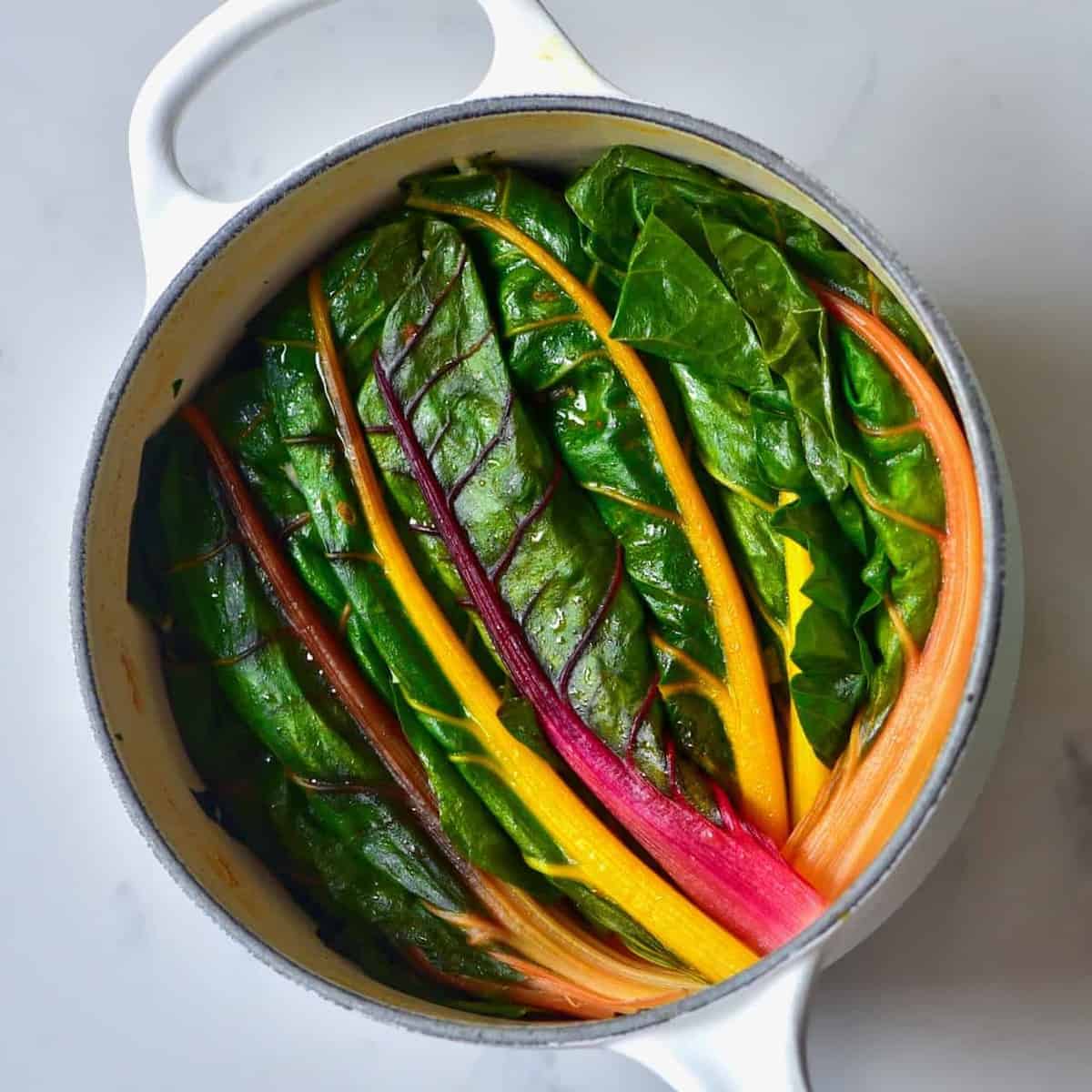
Beyond Cabbage Rolls: Customize Your Flavorful Vegan Swiss Chard
For anyone seeking a truly rewarding culinary experience, one that marries deep flavor with unparalleled nutrition, look no further than
vegan stuffed Swiss chard rolls. Often overshadowed by their cabbage-wrapped cousins, these vibrant green parcels offer a delicate texture, a slightly earthy sweetness, and an incredible canvas for a diverse range of fillings. While the preparation might involve a few steps, the journey is as gratifying as the destination – a plate full of hearty, wholesome comfort food packed with protein and healthy vegetables. It’s a perfect dish for wellness enthusiasts, those aiming for a plant-based diet, or simply anyone craving a nourishing meal that truly satisfies.
The Core Recipe: A Foundation of Flavor and Nutrition
At its heart, the classic
vegan stuffed Swiss chard rolls recipe builds on a foundation of simple yet powerful ingredients. Two large bunches of fresh Swiss chard provide the pliable, nutritious wrappers, their vibrant leaves ready to cradle a robust filling. The core of this filling is typically long-grain rice, which soaks up all the delicious flavors during cooking.
But it's the aromatic blend of fresh and dried herbs and vegetables that truly brings this dish to life:
- Protein Powerhouse: Cooked chickpeas add a wonderful textural contrast and a significant boost of plant-based protein, making these rolls incredibly filling. This addition transforms the dish into a complete meal.
- Freshness & Acidity: Diced tomatoes, a small bunch of fresh parsley, crushed garlic, and diced onion form the aromatic base. These fresh ingredients provide layers of flavor and essential moisture.
- Mediterranean Flair: Sumac, a bright, tangy spice common in Middle Eastern cuisine, lends a unique lemony note. Dried mint, a staple in many traditional stuffed dishes, contributes a refreshing, herbaceous counterpoint.
- Seasoning & Richness: Black pepper and salt season the mixture, while a generous pour of olive oil enriches the filling and helps carry the flavors. A splash of lemon juice brightens everything, tying the diverse elements together.
The preparation involves carefully blanching the Swiss chard leaves to make them pliable, then meticulously mixing the filling. Each blanched leaf is then lovingly stuffed and rolled, creating neat little bundles ready for a gentle simmer in water or vegetable broth.
Don't forget the exquisite tahini sauce, often called Taratour! Made from Swiss chard stems (a fantastic way to reduce waste!), tahini, lemon juice, reserved cooking water, and crushed garlic, it provides a creamy, zesty counterpoint that elevates the entire dish. Using a mortar and pestle to crush the garlic for both the filling and the sauce, as many culinary traditions dictate, can truly enhance the aroma and flavor.
Mastering the Art of Parsley Preparation: A Crucial Skill for Mediterranean Cuisine
While the ingredient list for
vegan stuffed Swiss chard rolls is straightforward, certain preparation techniques can significantly impact the final dish. One such often-overlooked yet critical step is the proper cleaning and chopping of parsley. This isn't just about hygiene; it's about flavor integrity and presentation.
When you purchase parsley from the grocery store, it's rarely in pristine condition. Stems might be tangled, leaves might be dusty, and occasionally, small bits of debris or even tiny insects can be nestled within the bunch. To ensure your dish is as clean and flavorful as possible, follow these steps:
- Align the Stems: Carefully align all the parsley stems together, creating a neat, tree-like bundle. Remove any obvious weeds or undesirable elements.
- Secure the Bunch: Use the twisty tie or rubber band that came with the parsley to secure the aligned bunch. Tie it firmly as close to the leafy part as possible. This keeps the leaves together, making the washing process much more effective.
- The Ice Bath Ritual: Fill a large bowl with cold water. Submerge the leafy part of the tied parsley bunch into the cold water, swishing it gently several times. You'll observe dirt, sand, and other impurities falling off into the water.
- Repeat Until Clean: Discard the dirty water, refill the bowl with fresh cold water, and repeat the dunking process. Continue this cycle until the water remains clear after you've submerged and swished the parsley.
This meticulous washing ensures that your parsley is not only spotless but also retains its vibrant color and crisp texture. For any dish that relies heavily on fresh herbs, especially those common in Mediterranean and Middle Eastern cooking, mastering this skill is invaluable. Clean herbs mean purer flavors and a more enjoyable eating experience.
Beyond the Basics: Customizing Your Vegan Stuffed Swiss Chard Rolls
One of the most exciting aspects of
vegan stuffed Swiss chard rolls is their incredible versatility. Just like vegan cabbage rolls, this recipe is a fantastic template for culinary creativity. You can easily adapt the filling to suit your taste preferences, dietary needs, or what you have on hand.
Grain Swaps for Diverse Textures and Nutrients:
- Quinoa: For a protein-packed, gluten-free option, quinoa works beautifully. It offers a slightly nutty flavor and a fluffy texture.
- Bulgur Wheat: A traditional choice in many Middle Eastern stuffed dishes, bulgur provides a chewier texture and a hearty, wheaty flavor. Opt for fine or medium grain.
- Freekeh: This roasted green wheat has a smoky flavor and a firm, chewy texture, adding a unique depth to your rolls.
- Couscous: While less traditional for stuffed rolls, pre-cooked couscous can be incorporated for a lighter, quicker-cooking filling.
Protein Boosts & Hearty Additions:
- Lentils: Cooked green or brown lentils are an excellent substitute or addition to chickpeas, offering a different texture and earthy flavor profile. Red lentils can be used but might break down more during cooking. For a truly satisfying meal, consider these Protein-Packed Vegan Chard Rolls: Your Healthy & Flavorful Meal.
- Crumbled Tofu or Tempeh: Lightly seasoned and crumbled, these can mimic a "meatier" texture and significantly boost protein content.
- Mushrooms: Finely diced or ground mushrooms (cremini or shiitake) can add an umami richness and a substantial texture to the filling.
Vegetable Variations for Extra Flavor and Fiber:
- Grated Zucchini or Carrots: These vegetables melt into the filling, adding moisture and subtle sweetness without overpowering the main flavors.
- Finely Diced Bell Peppers: Red or yellow bell peppers can introduce a touch of sweetness and vibrant color.
- Spinach: If you're not using Swiss chard as the wrapper, spinach can be finely chopped and added to the filling for extra greens.
Spice & Herb Adventures:
- Smoked Paprika: For a touch of warmth and smokiness.
- Cumin & Coriander: Essential for a more North African or Indian-inspired twist.
- Za'atar: This earthy, tangy, and herbal blend can be incorporated into the filling or sprinkled over the finished rolls.
- Fresh Dill or Oregano: Can be used instead of or in addition to parsley and mint for different herbaceous notes.
- Chili Flakes: For those who enjoy a little heat.
Sauce Innovations Beyond Tahini:
While the tahini sauce is sublime, you can explore other options:
- Simple Lemon-Garlic Drizzle: A fresh, light sauce with extra lemon juice, olive oil, and finely minced garlic.
- Light Tomato Sauce: A simmering sauce made with crushed tomatoes, herbs, and a touch of sweetness can cook directly with the rolls, infusing them with a different kind of tang.
- Nut-Based Sauces: A cashew cream sauce or an almond-based sauce can offer a rich, creamy alternative.
Tips for a Rewarding Rolling Experience
Admittedly, crafting
vegan stuffed Swiss chard rolls is an act of love, requiring a bit of time and patience. But with a few practical tips, the process becomes enjoyable and incredibly satisfying. For those who find joy in the process and the delicious outcome, these
Vegan Swiss Chard Rolls: A Rewarding Comfort Food for Wellness are truly rewarding.
- Prep Ahead: Most of the components can be prepared in advance. Blanch the chard leaves, chop your vegetables, and mix the filling the day before. This breaks down the task into manageable steps.
- Blanching Technique: Don't over-blanch the chard leaves; they should be pliable but still retain a slight firmness. An ice bath immediately after blanching stops the cooking process and preserves their vibrant green color.
- The Art of Rolling: Place a spoonful of filling near the stem end of the chard leaf. Fold in the sides, then roll tightly from the bottom up. Not too loose (so the filling doesn't spill), and not too tight (so the rice has room to expand).
- Layering in the Pot: Line the bottom of your pot with a few extra chard leaves or stems to prevent the rolls from sticking or burning. Arrange the rolls snugly in layers, seam-side down, to keep them from unraveling during cooking.
- Gentle Simmering: Place a small heat-proof plate directly on top of the rolls before adding the cooking liquid. This gentle weight keeps the rolls submerged and prevents them from floating and coming apart. Simmer on low heat until the rice is tender.
- Storage and Freezing: Cooked rolls can be refrigerated for 3-4 days. They also freeze exceptionally well, either cooked or uncooked. Arrange them on a baking sheet to freeze individually, then transfer to a freezer-safe bag or container. Thaw and reheat gently.
Conclusion
Vegan stuffed Swiss chard rolls are more than just a meal; they are an invitation to explore a world of flavor and a testament to the versatility of plant-based cuisine. From the careful preparation of fresh herbs to the endless possibilities of custom fillings, each step contributes to a dish that is deeply nourishing, incredibly flavorful, and profoundly satisfying. Whether you adhere to the traditional recipe or embark on a culinary adventure with creative customizations, these vibrant rolls promise a comforting, wholesome, and truly rewarding dining experience.